
Excision procedures.
Skin lesion excision procedures at Clarion across all three SMSG centres. Removal of confirmed or suspected skin cancers, precancerous lesions, and other spots that need treatment. Performed under local anaesthetic in a routine minor procedure appointment.
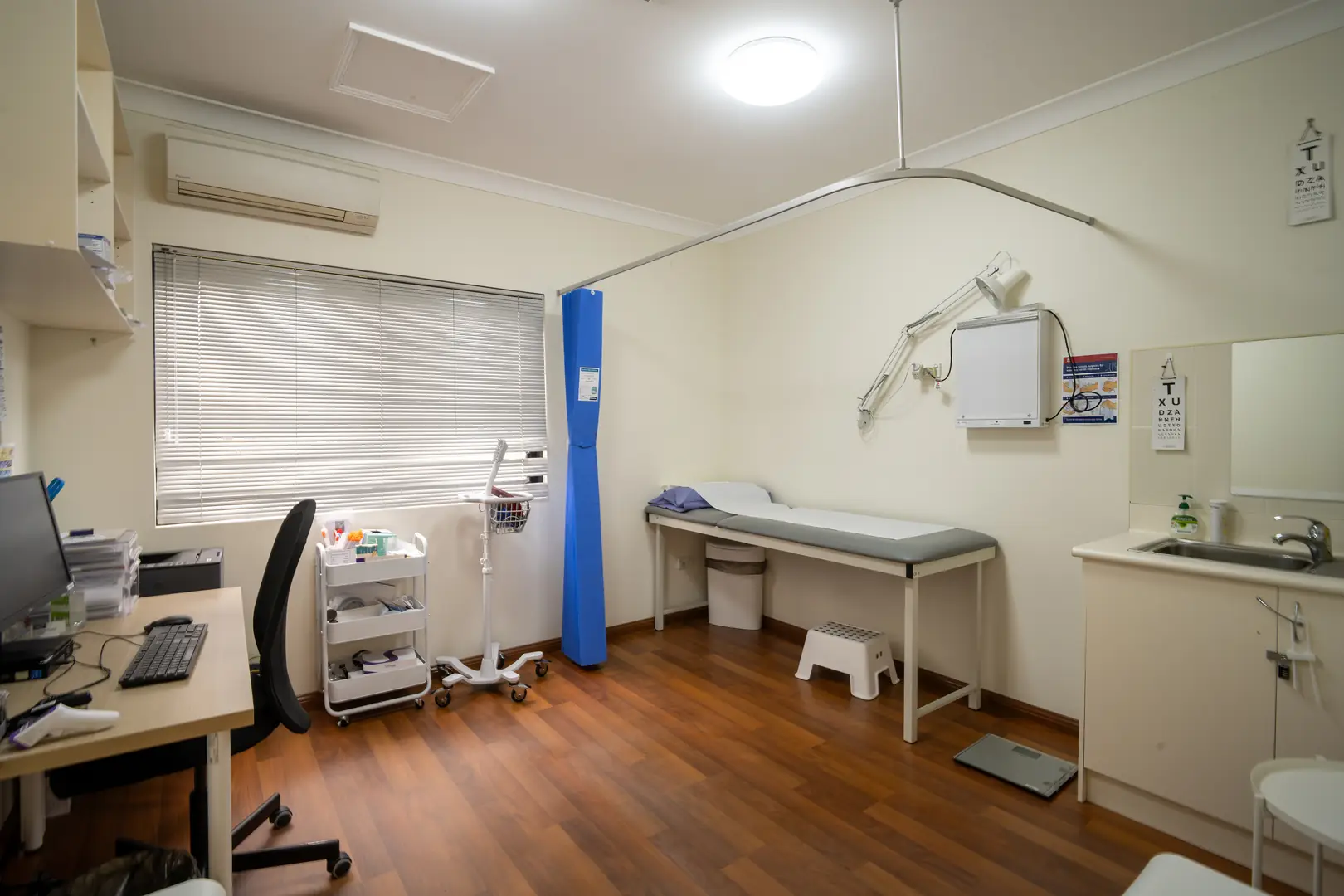
A routine minor procedure.
Excision is the full surgical removal of a skin lesion, taking the whole lesion plus a defined margin of surrounding tissue. The tissue is sent to pathology for diagnostic confirmation. Excision is what happens when a lesion needs to come out — either because a cancer has been confirmed, or because the clinical and dermoscopic assessment strongly suggests it should be removed rather than left in place.
Biopsy is a smaller sampling procedure: a portion of the lesion (or a shave of its surface) is removed for pathology, and the rest is left in place until a diagnosis is confirmed. Biopsies are used when the clinician wants histology before deciding on full excision. Not every suspicious spot needs excision; some are biopsied first, and the decision on excision follows the pathology result.
At Clarion, both procedures are performed by GPs experienced in skin cancer medicine. Straightforward excisions and biopsies on most parts of the body are done in a routine minor procedure appointment. More complex cases (larger lesions, cosmetically sensitive areas, or areas that require reconstruction) may be referred to a plastic surgeon or dermatologist.
Not every suspicious spot needs excision.
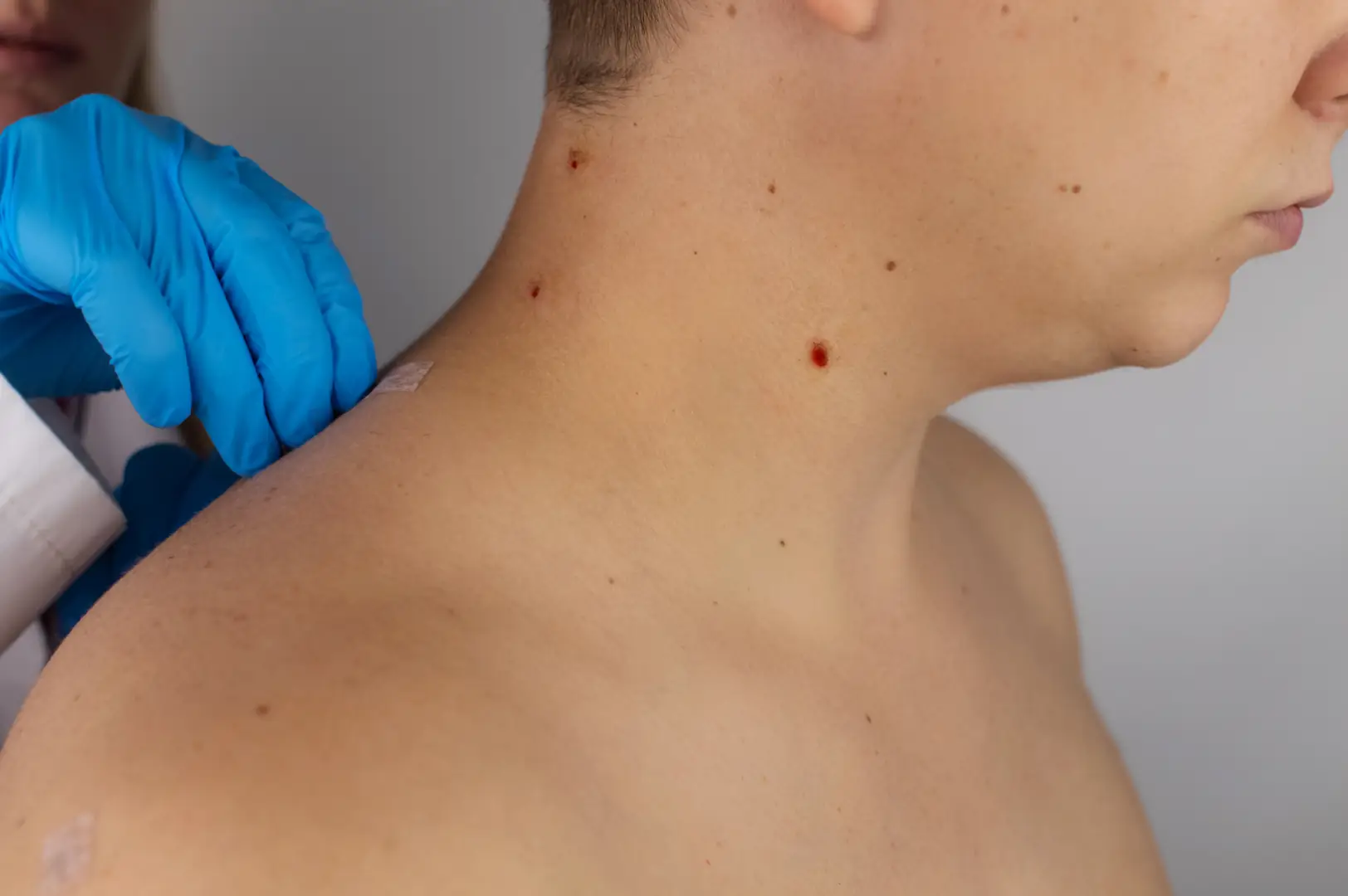
Before, during and after.
Most excisions are completed within 30 to 60 minutes. Complex excisions may take longer.
Before the procedure:
- Your GP explains what will be done, the expected outcome, and any risks.
- You're asked about medications (particularly blood thinners), allergies, and previous reactions to local anaesthetic.
- The area is cleaned and the borders of the excision marked.
- Local anaesthetic is injected. This is the only part of the procedure that involves any needle work, and takes a few moments.
During the procedure:
- The area is fully numb, so you shouldn't feel pain, though you may feel pressure.
- The GP removes the lesion with a defined margin of surrounding tissue.
- The wound is closed with sutures (stitches).
- A dressing is applied.
After the procedure:
- Wound care instructions are given.
- A follow-up appointment is arranged to remove sutures, typically 7 to 14 days later depending on the location.
- The excised tissue is sent to the laboratory for histological examination.
- The pathology result is discussed with you at your follow-up appointment.
Wound care and follow-up.
Wound care. Keep the wound dry and clean as directed. Some minor bleeding or oozing in the first day is normal. Contact the centre if you have concerns.
Activity. Avoid heavy lifting, strenuous exercise or activities that stretch the wound area for the recommended period. This helps the wound heal cleanly.
Suture removal. Your GP tells you when to return. This is a short appointment.
Pathology result. The excised tissue is examined by a pathologist. Results typically take one to two weeks. You'll receive the result at your follow-up appointment or, for time-sensitive results, contacted sooner.
Follow-up plan. Depending on the pathology, you may need no further action, additional excision for clear margins, referral to a specialist, or ongoing skin surveillance. Your GP will explain the plan for your specific result.
Not all excisions are done in GP.
Referral to a plastic surgeon or dermatologist is appropriate when:
- The lesion is large or in a cosmetically sensitive area (face, ears, digits) needing reconstruction.
- The lesion involves a difficult anatomical area.
- Pathology shows a cancer needing wider re-excision by a specialist.
- Multiple lesions need coordinated removal.
- The pathology result suggests specialist follow-up.
Where specialist referral is needed, your Clarion GP arranges it and coordinates the referral pathway.
Across all three centres.
Planned and same-day.
Planned surgical procedures. A Clinical Assessment & Treatment Planning fee is taken on the day of the assessment, when your GP examines the lesion and plans the procedure. On the day of the procedure itself, the procedure item is bulk-billed.
On-the-day procedures. Where an excision or biopsy is done during the same appointment as the assessment (either because it's urgent, or because the doctor can accommodate the time), the procedure is paid for privately on the same day. This pathway only applies where the doctor confirms it's appropriate.
Reception confirms the specific fee and expected out-of-pocket cost when you book.
Common questions.
Do I need a referral?
No. Excisions performed by Clarion GPs are a GP service and don't require a specialist referral.
Will I have a scar?
All excisions leave a scar. The size and appearance depend on the location, size of the lesion, and how your skin heals. Your GP will explain expected scarring for your specific case.
How painful is it?
The injection of local anaesthetic can sting for a few seconds. Once the area is numb, you shouldn't feel pain during the procedure. Some soreness afterwards is normal and usually well-managed with paracetamol.
Can I drive home?
Yes, in most cases. Local anaesthetic doesn't affect your ability to drive.
Can I go back to work?
Most people return to work the same day or the next day. Physical work may need to be modified until the wound heals.
What if the excised lesion is a cancer?
Your GP will explain the pathology, what it means, and the follow-up plan. Not all skin cancers need additional treatment after excision. Some need further excision for clear margins, and some need specialist referral.
Are there risks?
As with any minor procedure, there are risks including infection, bleeding, delayed healing, scar concerns and, rarely, reaction to local anaesthetic. Your GP explains these before the procedure.