
Full-body skin checks.
A full-body skin check is a systematic examination of your skin from head to toe, using dermoscopy to look closely at spots that need it. The goal is early detection of skin cancer, and reassurance when nothing needs action. Available at all three SMSG centres through the Clarion team.
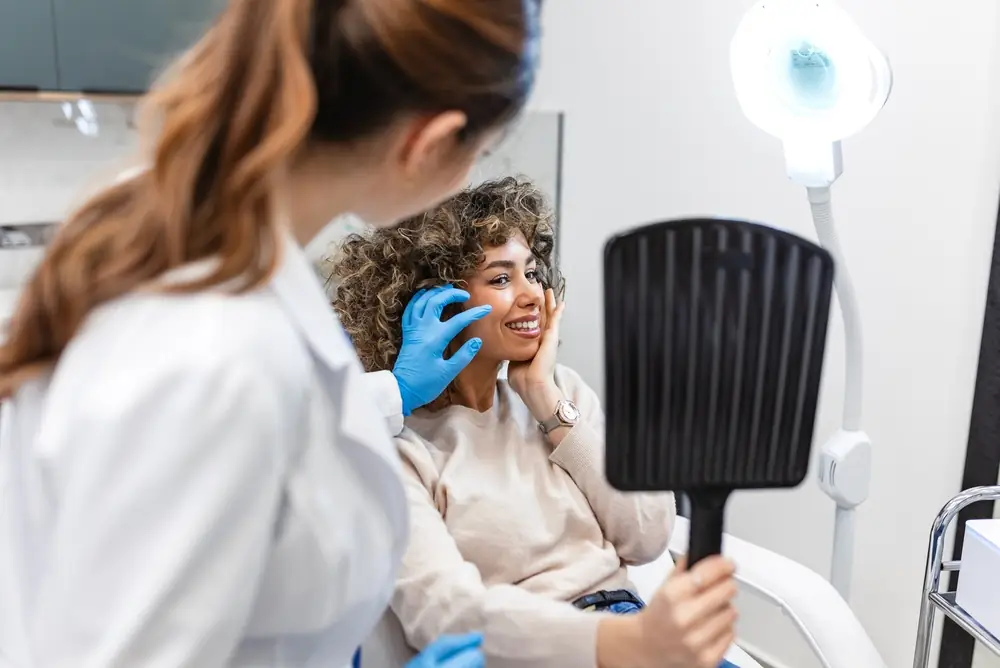
A systematic examination.
Australia has the highest rate of skin cancer in the world. Regular skin checks are one of the most effective ways to catch skin cancer early, when treatment is straightforward and outcomes are best. Melanoma detected early has very high cure rates. The same is true for the more common non-melanoma skin cancers (basal cell carcinoma and squamous cell carcinoma) which are the most frequent skin cancers seen at Australian skin clinics.
A full-body skin check at Clarion is a systematic examination, not a quick look. Your GP works through the whole surface of the skin in a defined pattern, using dermoscopy (a hand-held magnification device with polarised light) to look closely at spots that need it. Spots that look benign are noted. Spots that don't fit the expected pattern are examined more carefully, and where appropriate, are biopsied on the day or booked for a follow-up.
There's no fixed rule, but there are cues.
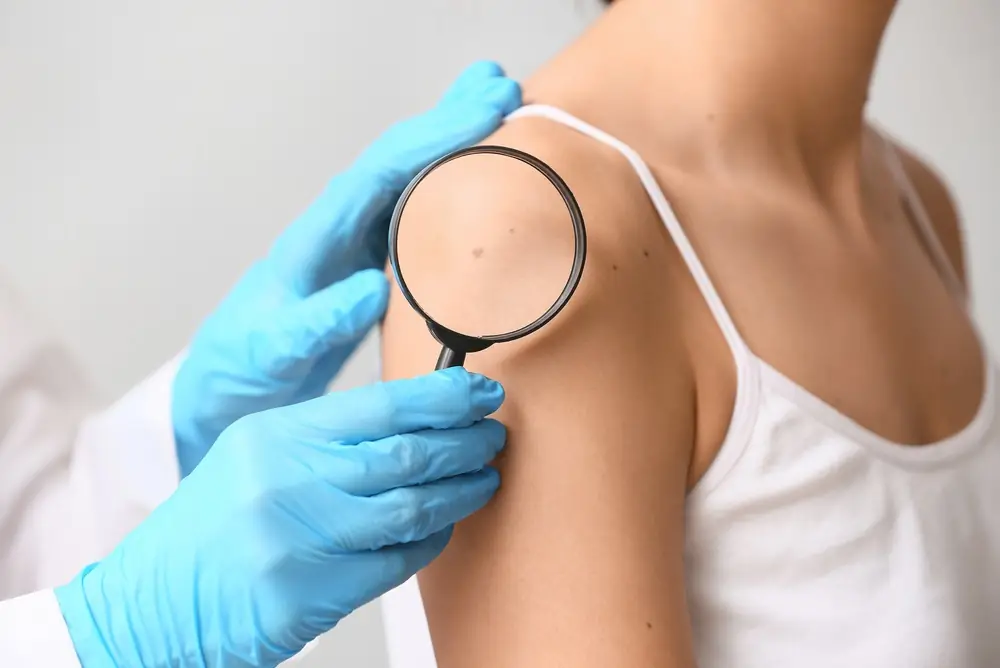
Thorough, not invasive.
The GP works through in a systematic order, examining the scalp, face, ears, neck, chest, abdomen, back, arms, hands, legs, feet, and genital area. The examination is thorough but not invasive.
Where a spot needs closer inspection, the GP uses dermoscopy, which reveals features of the skin that can't be seen with the naked eye. Dermoscopy substantially improves the accuracy of skin cancer detection.
At the end of the check, your GP explains what was found:
- Reassurance. If nothing suspicious was seen, you're given a plan for when your next check should be.
- Monitoring. For spots that are borderline but not clearly concerning, monitoring at a set interval may be recommended.
- Biopsy. For spots that need histological confirmation, a biopsy may be arranged on the day or booked as a short follow-up.
- Excision. For spots that need to be removed, excision is arranged. This is often done at Clarion, or referred as appropriate.
Across all three centres.
Confirmed at booking.
Skin check appointments are typically privately billed with a Medicare rebate applying. Longer appointments and complex checks with multiple areas of concern may attract a longer consultation fee.
Billing arrangements vary by GP. Reception confirms the specific fee at booking.
Common questions.
How often should I have a skin check?
That depends on your risk profile. Your GP will recommend an interval after your first check. Common intervals range from 6 months to 3 years, based on individual risk.
Do I need a referral?
No. Skin checks are a GP service and don't require a referral.
How long does a check take?
Typically 20 to 40 minutes, longer if there are many spots to examine or if a biopsy is done on the day.
Can I bring a friend or family member?
Yes. If you're comfortable, having someone present is fine.
What if I only want a specific spot checked?
That's fine. Book a shorter appointment for the specific concern. A full-body check can be done separately.
Will my genital area be checked?
The examination includes all skin surfaces where skin cancer can occur. Your GP will ask before examining any area and you can decline any part of the check.
What if a biopsy is needed?
Biopsy involves removing a small piece of the lesion for laboratory examination. Local anaesthetic is used. Your GP will explain what's involved and what to expect.